


06 Jul 2026

5 min read
The Strategic Connectivity Framework: Navigating Wireless Technology Selection in 2026
-
06 Jul 2026
5 min read
The Strategic Connectivity Framework: Navigating Wireless Technology Selection in 2026
-

In the era of connected intelligence, every product roadmap begins with a foundational architectural decision: “Which wireless protocol will define our ecosystem?”
While often viewed through a technical lens, connectivity selection is a high-stakes business decision. It dictates the long-term viability, operational costs, and scalability of a product’s lifecycle.
The contemporary wireless landscape has moved beyond the binary choice of Wi-Fi versus cellular. Product teams must now orchestrate complex architectures involving Bluetooth Low Energy (BLE), Zigbee, LoRaWAN, NB-IoT, LTE-M, Private 5G, and emerging standards like Wi-Fi HaLow (802.11ah).
The objective is no longer to select the most advanced protocol, but to architect the most appropriate connectivity solution for a specific industrial or consumer use case.
The Connectivity Imperative: Market Dynamics through 2034
The scale of the digital transformation is unprecedented. According to reports and market analysis from Statista, global IoT devices are projected to reach 40.6 billion by 2034, with the global IoT market value expected to surpass $908 billion in the same period.
Furthermore, the Edge AI market is projected to exceed $118 billion by 2033. This shift toward localized intelligence means connectivity is no longer just a feature; it is the mission-critical infrastructure that enables decentralized decision-making and autonomous operations.

Figure 1: Future of Connectivity Framework
The Application-First Selection Paradigm
Many teams begin by asking:
Whereas, the better question is:
Industry experts consistently emphasize that application-specific outcomes, rather than protocol preferences, must drive the selection process. The Industrial Internet Consortium identifies reliability, mobility, latency, and environmental constraints as the primary factors that dictate industrial networking success.
A Practical Selection Framework
Before comparing protocols, product teams should work through a short sequence of questions:
- Define the job the product needs to do. What data is being sent, how often, and to whom?
- Map the deployment environment. Indoors or outdoors? Fixed or mobile? Dense with interference or wide open?
- Set the constraints. Battery life target, unit cost ceiling, regulatory requirements, and expected device count.
- Score candidate technologies against the criteria below. No protocol wins on every dimension — the goal is the best fit, not the best spec sheet.
- Decide if one protocol is enough, or if a hybrid architecture is the honest answer.
With that sequence in mind, here are the criteria that matter most.
Reliability and Latency
Reliability determines whether a system performs consistently under real conditions, not just in a lab demo. Some applications — industrial control, medical monitoring, access systems — demand low latency and near-zero packet loss. Others, like periodic environmental logging, can tolerate occasional gaps without any real impact. Understand which category your product falls into before anything else, since reliability requirements often eliminate options faster than any other criterion.
Deployment Range
Range remains one of the most decisive selection criteria. Typical wireless categories break down roughly as follows:
| Technology | Typical Range |
|---|---|
| BLE | Short range (tens of meters) |
| Wi-Fi | Medium range — a building or campus |
| Zigbee | Short range per hop, extended via mesh |
| LoRaWAN | Several kilometers |
| Cellular IoT (NB-IoT, LTE-M) | Nationwide or global, wherever there's coverage |
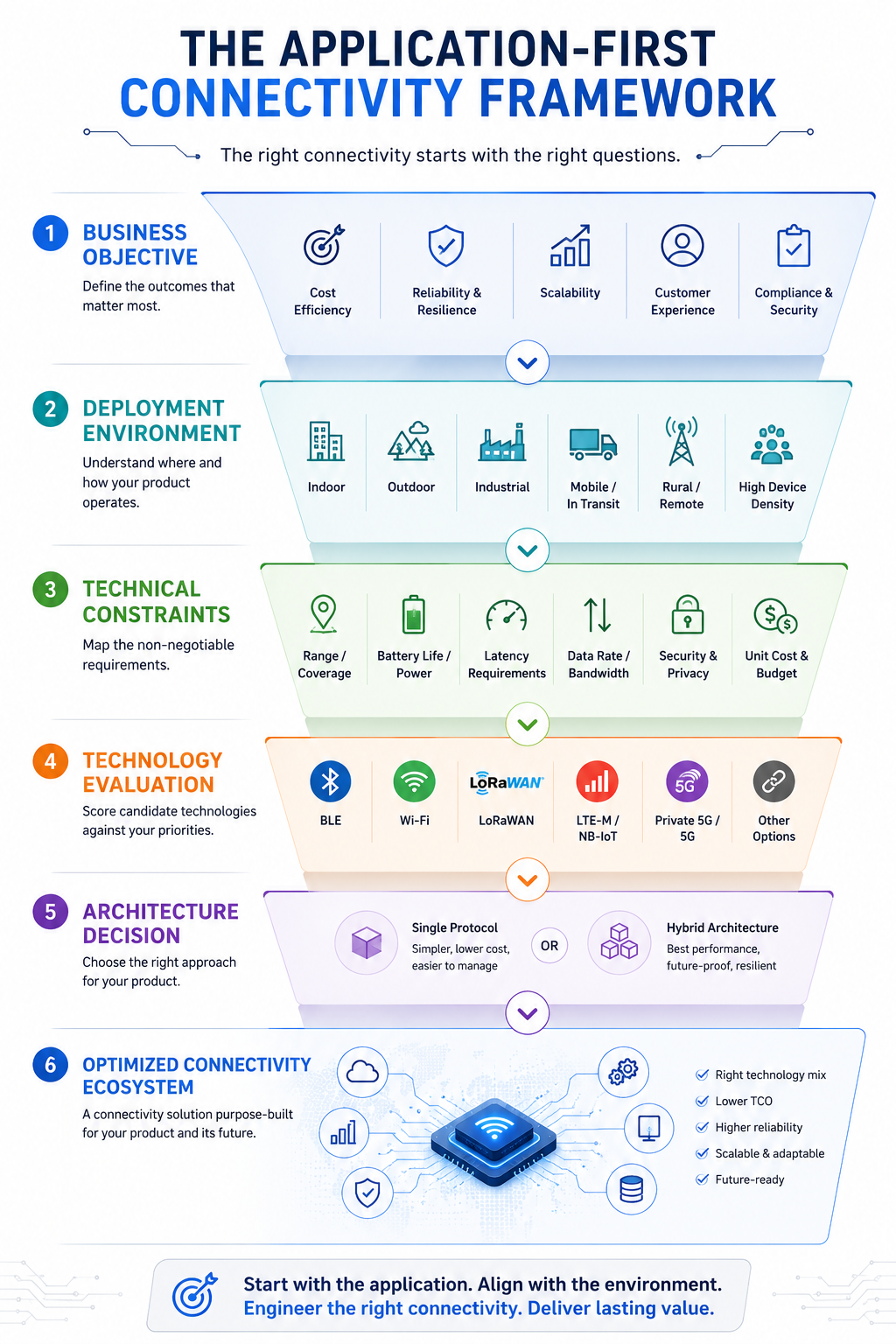
Figure 2: Multiple Options for Wireless Connectivity Sources
A factory sensor 10 kilometers from the nearest facility has fundamentally different requirements than a smart lock installed inside an office building. Matching range to the actual deployment geography — not the geography you assume — avoids expensive redesigns later.
Power Efficiency and Battery Life
If a device runs on a small battery — a coin cell, for example — power efficiency becomes one of the top priorities.
BLE and Zigbee were purpose-built for low power draw, which is why devices using them can run for months or years on a single battery. Wi-Fi, by contrast, is power-hungry. That's a non-issue for a mains-powered device, but it will drain a battery-powered one quickly.
Wi-Fi HaLow (802.11ah) was designed to close this gap — bringing Wi-Fi-style networking to low-power devices — but it still has limited real-world adoption and ecosystem support as of 2026.
It's also worth noting the trade-off on the other side of power savings: battery-optimized devices spend most of their time asleep to conserve energy, which means they aren't always listening for incoming packets. The result is added latency — a device that sleeps to save power isn't instantly reachable. Power efficiency and responsiveness pull in opposite directions, and teams need to decide which one matters more for their use case.
Data Throughput Requirements
How much data you need to send, and how often, makes a big difference.
A useful rule of thumb: the more data you transmit, the more power you consume. Throughput and battery life are almost always in tension, so this criterion can't be evaluated in isolation from power consumption.
Total Cost of Ownership (TCO)
Cost comes from different places: the chip or module, the antenna design, certification fees, and ongoing service costs (like cellular data plans).
Cellular IoT (NB-IoT, LTE-M)
Security and Encryption
Each wireless technology has its own way of handling security.
Bluetooth Low Energy (BLE) uses AES‑128 encryption and supports different pairing methods, including secure ones with key exchange. Wi‑Fi uses WPA3 for protection. Zigbee has builtin encryption at the network level.
For devices that deal with sensitive data (like medical tools, access systems, or payment devices), it’s best not to rely only on the default security. Add extra protection by using encryption at the application level too.
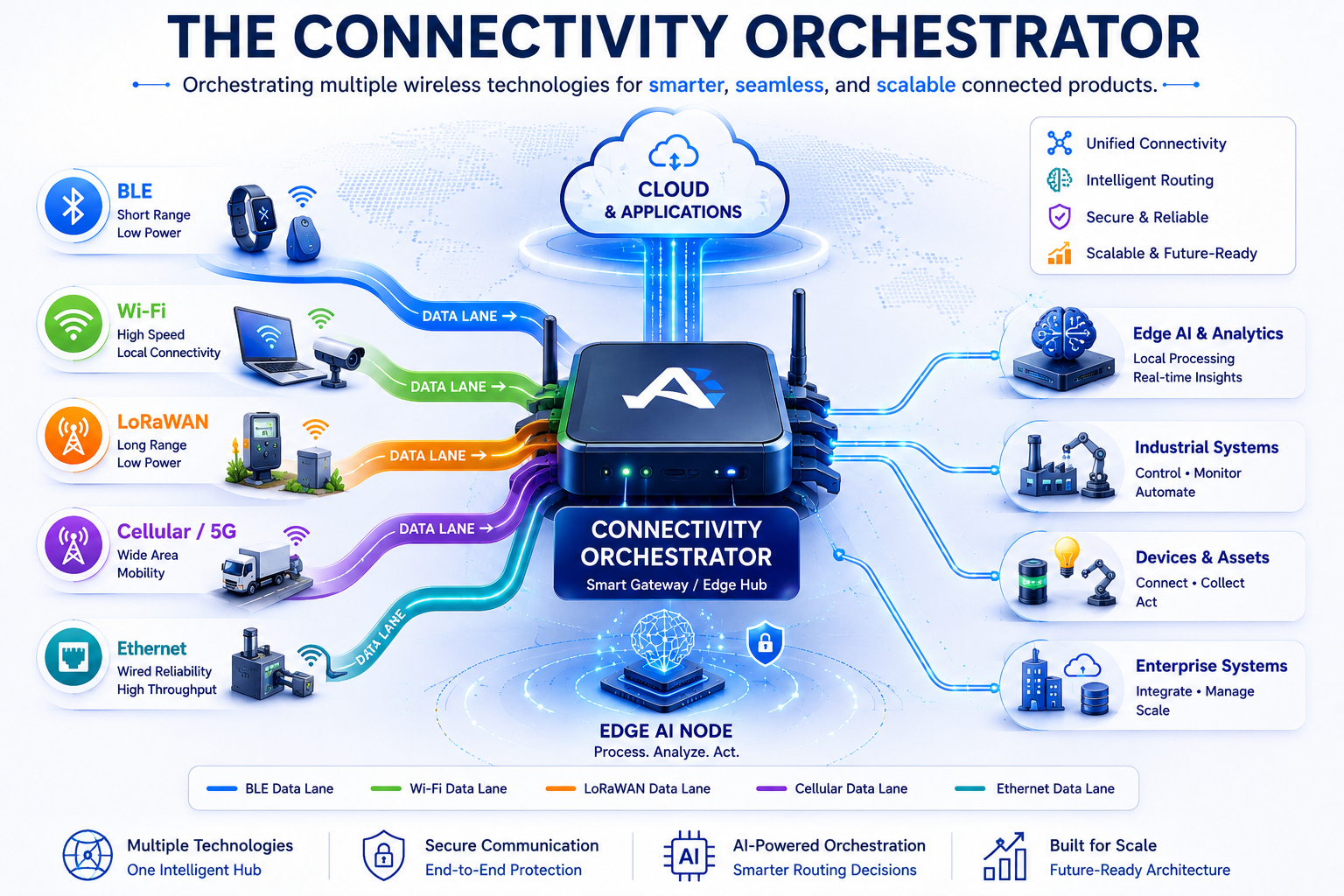
Figure 3: Sequence of Selecting the Correct Wireless Tech
Interoperability
Think about who your device needs to connect with: smartphones, other IoT gadgets, or cloud services. Bluetooth Low Energy (BLE) is great here because almost every smartphone supports it. Wi‑Fi is also everywhere, so it’s easy to connect devices to phones or the internet. Zigbee and Z‑Wave are mostly used in smart home hubs like Amazon Echo or Samsung SmartThings. If phone‑to‑device communication matters (and usually it does), BLE is the best choice.
Environmental Constraints
Deployment environment matters enormously. Wireless performance that looks perfect in a lab can degrade or fail entirely in the field. Consider:
- Industrial facilities with heavy machinery and RF interference
- Hospitals with strict electromagnetic interference requirements
- Urban environments with dense network congestion
- Agricultural deployments spanning large, sparsely covered distances
- Remote locations with little to no existing infrastructure
The Industrial Internet Consortium identifies reliability, mobility, latency, and environmental constraints as critical factors when selecting industrial networking technologies.
Scalability
The number of devices in your network matters a lot.
A smart home with 10 sensors is very different from a factory with 10,000 devices. Mesh networks like Zigbee and Bluetooth Mesh can grow to hundreds or even thousands of devices. LoRaWAN gateways can also handle thousands of devices. Wi‑Fi access points usually manage only a few dozen devices before performance starts to drop
The Rise of Hybrid Connectivity Architectures
One of the most significant wireless technology trends emerging in 2026 is the shift toward hybrid connectivity architectures.
Increasingly, product teams are discovering that no single wireless technology can satisfy every requirement. For example:
- A smart factory may use BLE for asset tracking, Wi-Fi for operator devices, and Private 5G for autonomous robots.
- A connected agricultural solution may use LoRaWAN sensors and a cellular gateway.
- A smart building may combine Wi-Fi, Zigbee, and cellular backup connections.
Industry observers increasingly view interoperability and flexibility as essential characteristics of modern IoT deployments. Single-network strategies are gradually giving way to multi-network ecosystems.
"The future is not Wi-Fi versus 5G. The future is Wi-Fi and 5G, combined with the right supporting technologies."
These technologies are expanding the design possibilities available to product teams while making selection decisions even more important.
Aerlync Perspective: Connectivity as a Strategy
Wireless technology selection is often treated as an engineering decision. The most successful product organizations treat it as a product strategy decision.
The objective is not to choose the newest protocol. The objective is to create the best balance of performance, power efficiency, security, scalability, user experience, and long-term maintainability.
As connected products evolve, wireless connectivity is becoming the foundation that links silicon, firmware, cloud platforms, analytics engines, and user experiences into a single ecosystem.
The organizations that succeed will not necessarily be those using the most advanced technologies.
They will be the ones using the most appropriate technologies.
Conclusion
There is no universal wireless connectivity solution. Every product has unique requirements, constraints, and business objectives.
The most effective wireless technology selection framework starts with understanding the product, the customer, and the deployment environment before evaluating protocols.
For product teams building connected devices in 2026 and beyond, the goal is no longer choosing between Wi-Fi, BLE, LoRaWAN, or 5G.
The goal is designing connectivity architectures that remain reliable, scalable, and future-ready throughout the product lifecycle. Because in the connected era, the quality of your wireless strategy often determines the quality of your product.
Recommended Blogs

17 Jun 2026
5 min read
Beyond Cables: The Next Era of Industrial Wireless Connectivity

16 Jun 2026
5 min read
The Connected Device Revolution: Why Engineering Complexity Is Increasing Faster Than Ever

30 Jul 2026
5 min read
The Software-Defined Cockpit: Why Modern Cars Became Giant Smartphones
Build with the Most Trusted Engineering Partner

Delivers cutting-edge embedded solutions, from firmware development to wireless protocols, ensuring reliability and innovation.

Resources
Copyright © 2026
Privacy Policy
Terms of Service
Delivers cutting-edge embedded solutions, from firmware development to wireless protocols, ensuring reliability and innovation.


Resources
Privacy Policy
Terms of Service
Copyright © 2026